
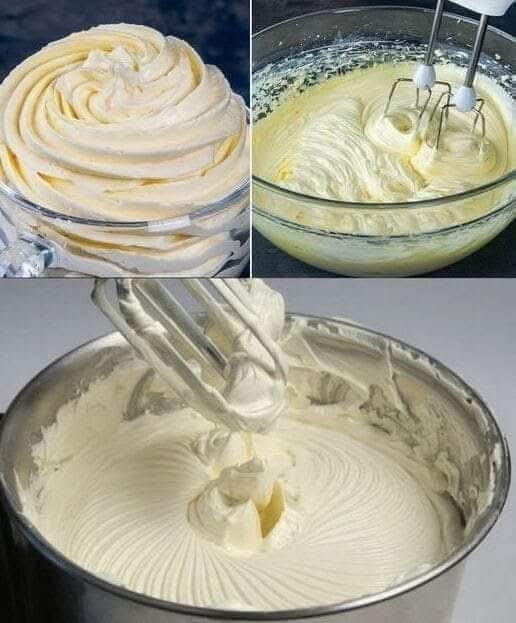
The Key to the Ideal Pastry Cream
Pastry cream, known as crème pâtissière in the culinary world, is a fundamental component in many desserts, serving as a rich filling for éclairs, pastries, tarts, and more. Mastering the art of pastry cream is essential for any aspiring baker or seasoned professional. This comprehensive guide will explore the key ingredients, techniques, and tips for achieving the perfect pastry cream every time, ensuring you impress your guests and elevate your desserts.
Understanding Pastry Cream
Pastry cream is a thick, creamy custard made from a base of milk, eggs, sugar, and cornstarch, which is cooked until it thickens. It serves as a versatile filler for various pastries and can be flavored in endless ways. Learning to make pastry cream can open the door to creating a wide array of delectable desserts.
Key Ingredients for Pastry Cream
1. Fresh Milk
The foundation of pastry cream is high-quality fresh milk. Whole milk is typically preferred for its rich flavor and creaminess, but you can also use a combination of whole and heavy cream for an even richer texture. Always opt for the freshest milk possible to enhance the flavor profile of your pastry cream.
2. Eggs
Eggs play a crucial role in the thickening process and provide richness. Use large eggs for consistent results. The yolks contribute to color and flavor, while the whites can be used in other preparations, such as meringues.
3. Sugar
Granulated sugar is the most common sweetener used in pastry cream. It not only sweetens but also helps to stabilize the cream as it cooks. Adjust the sugar level according to your taste preferences, but be cautious not to overpower the delicate flavors of your pastry cream.
4. Cornstarch
Cornstarch acts as a thickening agent and helps to stabilize the pastry cream without altering its flavor. It absorbs moisture and creates a smooth, velvety consistency. Using the right amount of cornstarch is vital; too much can lead to a gummy texture, while too little may result in a runny cream.
5. Flavoring Agents
While the basic recipe is simple, adding flavors such as vanilla, chocolate, coffee, or citrus zest can take your pastry cream to the next level. Vanilla extract is a classic choice, while premium dark chocolate makes for a luxurious treat.
Step-by-Step Guide to Making Perfect Pastry Cream
Step 1: Preparing the Ingredients
Start by gathering all your ingredients—milk, eggs, sugar, cornstarch, and any flavorings you desire. Measure them accurately to ensure a successful outcome.
Step 2: Combine Sugar and Cornstarch
In a mixing bowl, combine the granulated sugar and cornstarch. This pre-mixing helps prevent the cornstarch from clumping when added to the milk.
Step 3: Whisk Eggs
In a separate bowl, whisk the egg yolks until smooth. Gradually add the sugar and cornstarch mixture to the yolks, whisking continuously until well blended. This step is crucial for creating a smooth pastry cream.
Step 4: Heat the Milk
In a saucepan, heat the milk over medium heat until it begins to steam, but do not let it boil. Remove it from the heat as soon as steam rises, and add your vanilla extract or other flavorings.
Step 5: Temper the Egg Mixture
To prevent the eggs from scrambling, it’s essential to temper them. Gradually drizzle the hot milk into the egg mixture while whisking vigorously. This process gradually increases the temperature of the eggs without cooking them.
Step 6: Cook the Mixture
Pour the tempered mixture back into the saucepan and return it to medium heat. Continuously whisk until the mixture thickens and begins to bubble, ensuring it cooks evenly and does not stick to the bottom of the pan.
Step 7: Cool the Pastry Cream
Once the mixture has thickened (it should coat the back of a spoon), remove it from the heat. Strain the cream through a fine-mesh sieve to eliminate any lumps, then cover the surface with plastic wrap to prevent a skin from forming. Allow it to cool to room temperature before refrigerating.
Tips for Success
– Use a Heavy-Bottomed Saucepan: This ensures even heat distribution and helps prevent scorching.
– Whisk Constantly: Consistent whisking prevents lumps and ensures an even texture.
– Experiment with Flavors: Don’t hesitate to try different extracts like almond or spices such as cinnamon for unique variations.
– Storage: Pastry cream can be stored in the refrigerator for up to 5 days. Be sure to cover it to maintain freshness.
Troubleshooting Common Issues
1. Grainy Texture
If your pastry cream turns out grainy, it might have been overcooked or cooked at too high a temperature. Always cook over medium heat and whisk constantly.
2. Runny Consistency
If your pastry cream is too runny, it may require more cornstarch or a longer cooking time. Next time, ensure you whisk until it thickens sufficiently.
3. Lumpy Cream
Straining the mixture through a sieve will eliminate any lumps, but if lumps form during cooking, they can often be smoothed out with vigorous whisking.
Conclusion
The key to the ideal pastry cream lies in understanding the balance of ingredients, employing proper techniques, and allowing room for creativity with flavors. With this complete guide, you can confidently prepare delicious, smooth, and rich pastry cream for all your dessert needs. Whether you’re making classic éclairs, fruit tarts, or decadent cakes, mastering pastry cream will undoubtedly enhance your baking repertoire. Enjoy the process and the mouthwatering results!